
Having recently read a biography of U.S. Grant, I was primed to visit the sites of his western service in the Army, both of which sites were on the route of my driving trip.
Having graduated from West Point and done courageous and enterprising service in the Mexican War, Lieutenant Grant spent the first few peacetime years at posts on the eastern Canadian frontier, where he could have his wife and children with him. But in 1853 he was transferred to the Pacific Coast - time-consuming, dangerous, and expensive to get to, so he had to leave his family behind.
Lonely without them, bored by his routine quartermaster duties, depressed by the damp and gloomy weather, and not getting along with his commanders, Grant began to drink heavily - or not, depending on which authorities you believe. At any rate, having been promoted to Captain in the interim, after a year on the coast he resigned his commission and returned east, to face even greater personal failure as a civilian until the Civil War arrived and he found his true metier as a commanding general.
Grant served at two posts in the west, and I visited them both. There's little relic of his presence.
Fort Vancouver National Historic Site, on the Washington state side of the Columbia River opposite Portland, is built around the Hudson's Bay Company fur-trading post of that name, but it now also includes the US Army's nearby Vancouver Barracks, still a military post when I was last here. But most of the row of impressive Victorian officers' houses that now dignify the site weren't present when Grant was here. They were built by General O.O. Howard, of passing Civil War note, who was sent out here by President Grant to improve the facilities. Grant remembered having lived in crude wooden cabins, now long gone, elsewhere on the property. One full house which was here in Grant's time is called Grant House, but he didn't live in it. The site museum says a little about all this; I learned more from conversation with the curators.
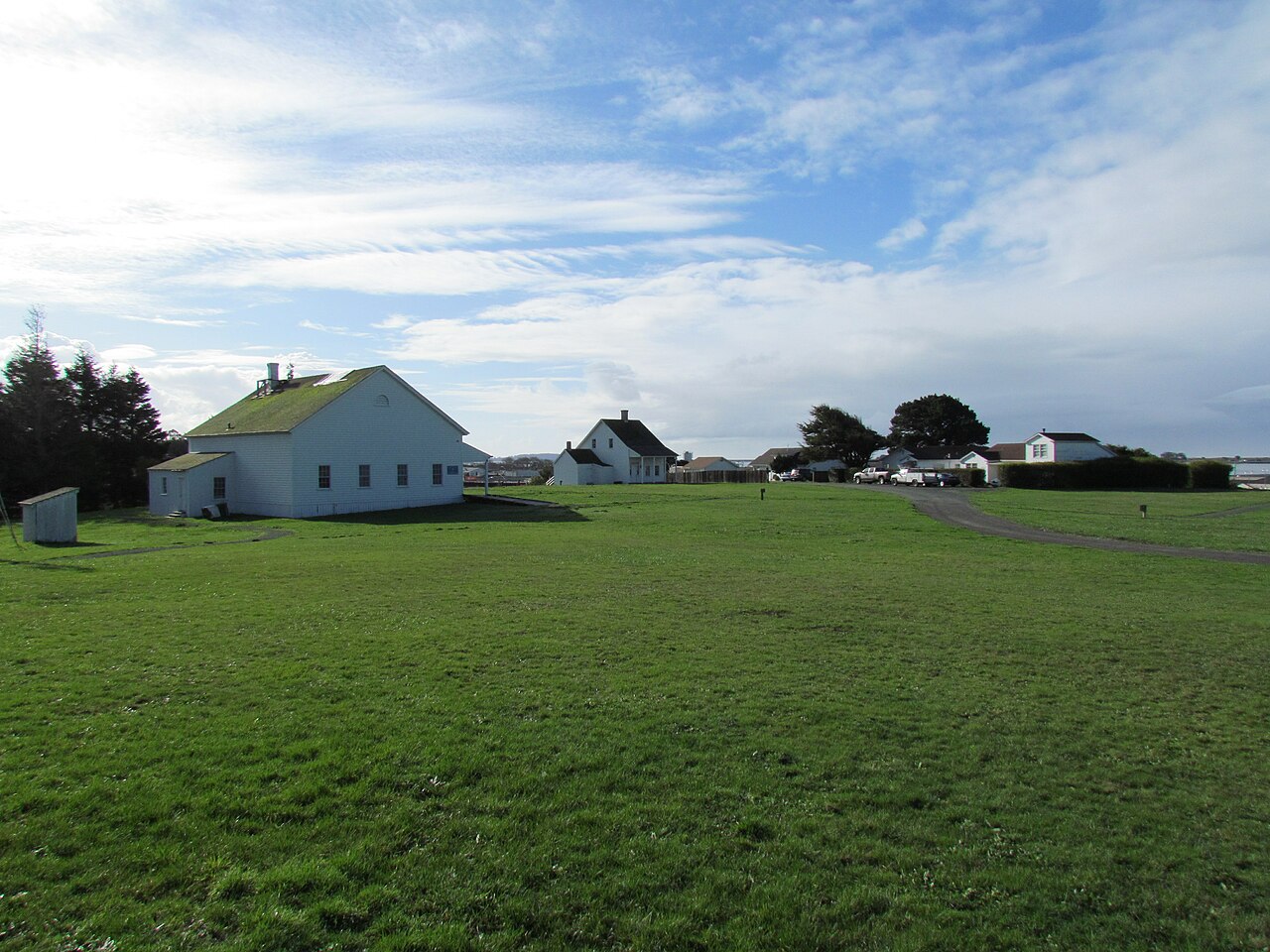
Fort Humboldt State Historic Park, on a hilltop above Eureka, California, is mostly rebuilt buildings on an open lawn. Plenty of placards but no museum. The site had been saved from housing development in the late 19C by Grant fans who wanted to preserve the site, though the original buildings had been torn apart by Grant-worshipping souvenir hunters. The placards are mostly about camp life; passing note is taken of Grant's presence, but the main one on him concerns past Grant hagiography. There's still a commemorative plaque erected by the DAR; and the placard has a photo of a now long-gone ridiculously giant statue of Grant.

No comments:
Post a Comment